
Ceramic glaze and firing for homeware buyers
Learn what to ask about clay bodies, glaze coverage and firing when approving a ceramic sample or matching a repeat order.
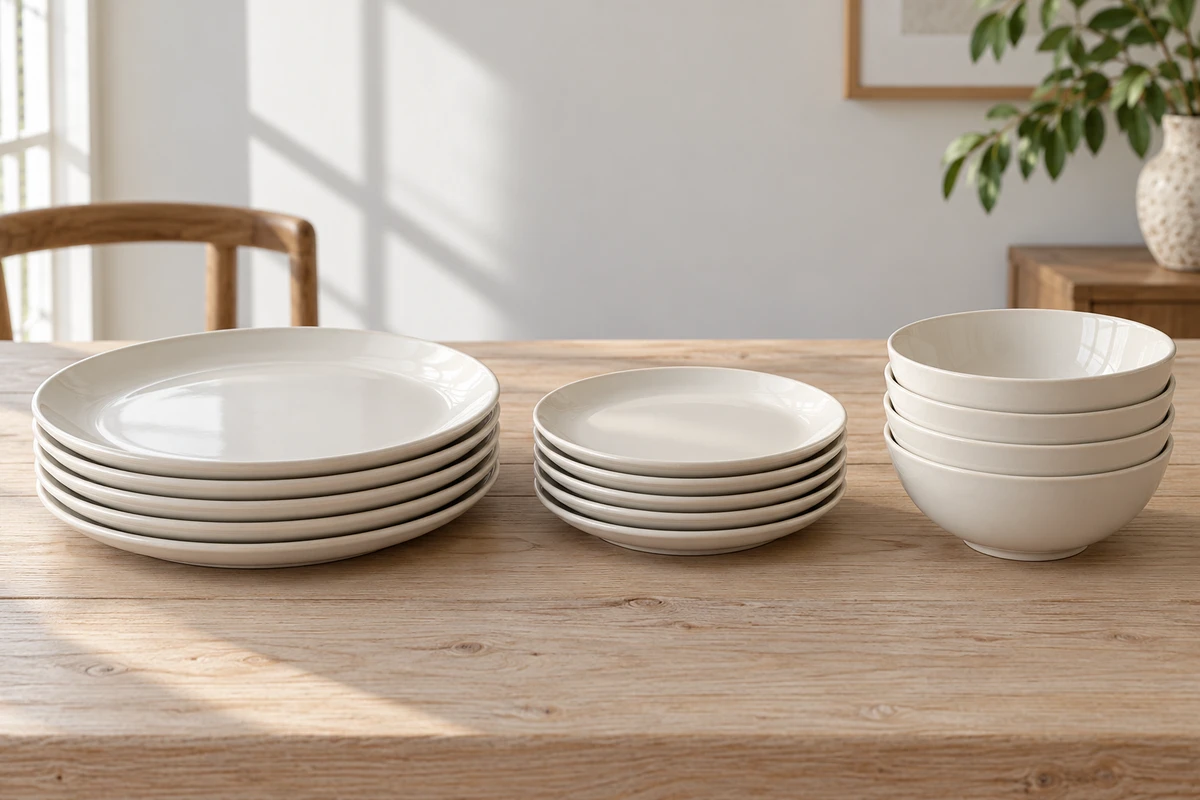
For a repeatable ceramic order, approve the clay body, glaze finish and fired sample together. This gives the factory and the receiving team a common reference for colour, coverage and visible surface variation.
From clay body to glazed finish
The clay body is the ceramic underneath the glaze. Ask which body and finish the factory intends to use for the quoted item. In one common workflow, a first firing hardens the shaped piece before the glaze is applied and fired. Ask the factory to describe the sequence it uses for your item. For a mug, confirm where the glaze should cover the inside, rim and outside and where the factory expects an exposed foot.
What firing changes
Orton Ceramic Foundation describes heatwork as the combined effect of time and temperature. A peak temperature alone leaves part of the firing history unspecified. When you need to match an approved finish, ask the factory how it identifies the approved sample and how it controls production variation. A supplier can also explain whether body or firing changes would require a new sample.
Glaze fit describes how the fired coating behaves with its clay body as they cool. A network of fine cracks may be called crazing. If a crackled appearance is intentional, agree on a reference and acceptable variation for the item’s intended use. For pieces meant to have a smooth finish, record which visible surface findings require review.
Set up the sample and the quote
- Label the accepted sample by variant, body, finish and date. Take photos of the rim, inside, base and any intentional variation under consistent lighting.
- Agree on dimensions after firing and record any tolerance the supplier can substantiate.
- Tell the supplier the intended use and destination market. Request any supporting documentation relevant to that use, separate from appearance approval.
- Ask which sampling, decoration, protective packing and replacement costs are included in the quote.
Example: a matte bowl with a contrasting rim
Photograph where the matte finish ends and the rim treatment begins, then label the accepted sample and agree how borderline pieces will be assessed. If the supplier proposes a different clay body for the next run, request a fresh sample before approving the change. Use the homeware case studies to plan the brief or send a sourcing request with the sample details.
Frequently asked questions
Is the kiln’s peak temperature enough to compare two runs?
It is one input. Firing time also affects the heatwork received by the ware. Ask how the supplier references the approved result and monitors repeat production.
Can I approve from a product photo?
A photo helps communicate appearance. A labelled physical sample gives the factory and the buyer a shared reference for surface coverage, texture and dimensions.
Sources
Discuss a sourcing request related to this article.Ceramic glaze and firing for homeware buyers