
Wholesale for Europe (EU)
Wholesale Homeware for Europe: Small-Batch Buying from China into the EU
Shops, online sellers and small importers across Europe buy wholesale homeware from China in small lots instead of ordering by the container. This page covers dinnerware, glass cups, storage jars, baskets, silicone kitchen tools, cushion covers, tablecloths, plant saucers and display shelves, and explains what an EU buyer should settle on VAT, customs classification, EORI and product-safety responsibility before paying a seller.
Europe works as one customs territory with many VAT systems. Import VAT is charged in the member state where the goods are cleared, at that country's rate, and goods can be cleared in one member state and moved on. Duty follows the EU customs tariff, called TARIC. Rules and rates change, so confirm them with a customs broker before ordering.
What to know before you import homeware into Europe (EU)
Import VAT depends on the clearing country
Import VAT is charged in the member state where the goods are cleared, and rates differ by country. Choosing the entry country is therefore a pricing decision as well as a logistics one. Ask your broker which member state suits your customers and how import VAT is recovered if you are VAT-registered.
TARIC duty and customs value
Duty follows the EU customs tariff, TARIC, by classification and origin. The customs value includes international freight and insurance up to the EU border, so duty is calculated on a higher base than the goods price alone. Ask the broker for the code of each product group before you set a selling price.
EORI and the EU economic operator
An EORI number is needed by a commercial importer. Under the EU General Product Safety Regulation, an economic operator established in the EU, either the importer or an authorised representative, must be identified for the product. A Chinese seller is not established in the EU, so the role usually falls to you or a representative you appoint.
CE marking, REACH and homeware materials
Many consumer products need CE marking, and chemical and material rules such as REACH can matter for gifts, homeware and plastics. For plastic table covers, silicone tools, glass and ceramics that touch food, ask the seller for documents and the broker which rules apply. Check this before ordering.
Landed cost and what to confirm first
Landed cost adds duty, import VAT, and clearance, port and delivery charges to goods and freight, and these fixed charges weigh more per unit on small lots. Because goods can move on after clearance, confirm the entry country, the code of each product, the economic operator and the delivery plan before ordering.
Customs rules, rates and product requirements change. Treat this page as orientation and confirm the current position for your exact product with a licensed customs broker or the national customs authority before you order.
Routes and timing for Europe (EU)
Typical European ports are Rotterdam, Hamburg and Antwerp, and sea time is roughly 4 to 6 weeks door to door. Goods can be cleared in one member state and moved on, so a small mixed shipment can enter at one of these ports and then travel to customers in other countries. Ask your forwarder where to clear, since import VAT is charged where the goods are cleared, and give them the product list in advance.
A small wholesale plan for Europe (EU)
Set up EORI and name the operator
Get an EORI number, and decide whether you or an authorised representative will be the EU economic operator for the products. Ask a customs broker for the TARIC code and the likely marking and chemical questions for each product group before paying a seller.
Sample with documents requested
Take a single piece per product, inspect it in China and ask the seller for the documents behind any food-contact, CE or material claim. Drop lines where the paperwork cannot be supplied, and note which member state you plan to clear in.
Consolidate and clear in one state
Ship the mixed first lot together to Rotterdam, Hamburg or Antwerp, clear it in the chosen member state and move the goods on. Keep invoices and weights consistent for the declaration.
Listings buyers in Europe (EU) ask about
-
Dinnerware

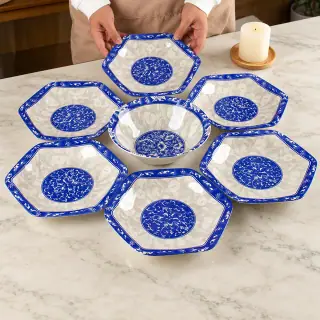
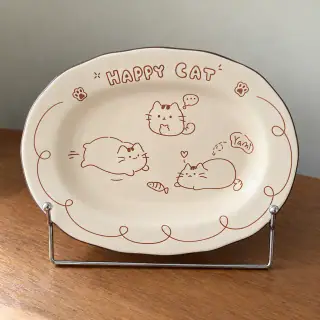
11 archived listings, observed $0.61–$69.20.
-
Glass drinkware



11 archived listings, observed $0.84–$6.10.
-
Kitchen tools

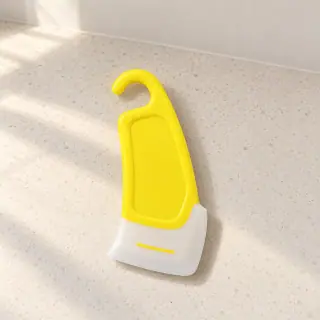

11 archived listings, observed $0.77–$10.02.
-
Baskets and storage bins
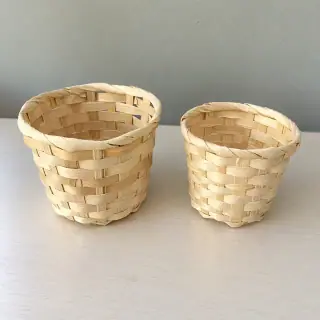
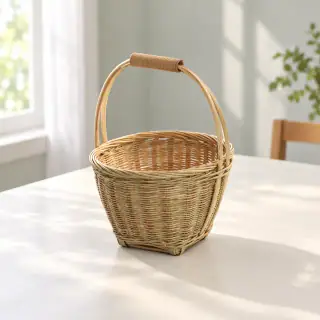
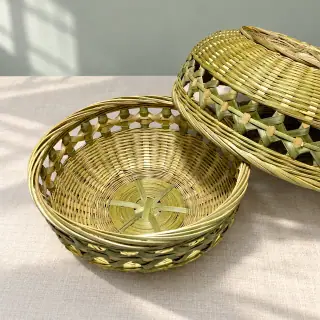
14 archived listings, observed $0.27–$8.64.
-
Planters and saucers
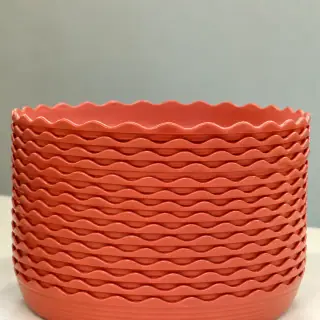
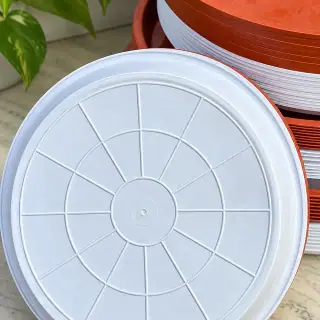
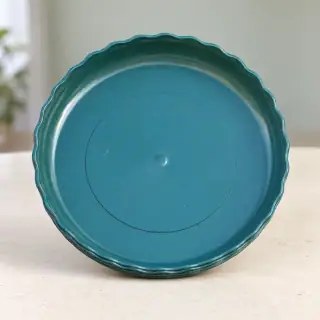
10 archived listings, observed $0.06–$2.70.
Wholesale homeware for Europe (EU): questions
Which EU country should I clear homeware in?
Import VAT is charged in the member state where the goods are cleared, at that country's rate, and goods can be cleared in one member state and moved on. So the choice affects cost. Ask your broker to compare member states for your customers, and confirm the rules and rates before ordering.
What is an economic operator under the EU product safety rules?
Under the EU General Product Safety Regulation, an economic operator established in the EU, either the importer or an authorised representative, must be identified for the product. Settle who it is before the goods ship, and ask your broker or the national authority what is required. We buy and ship from China.
Does REACH apply to plastic and silicone homeware?
Chemical and material rules such as REACH can matter for gifts, homeware and plastics, but whether and how depends on the product. We cannot say it applies or not. Ask the seller for material documents and your broker which rules cover each product group, in particular plastic table covers, silicone tools and plant trays.
Can I clear in Rotterdam and move the goods to another member state?
Yes. Goods can be cleared in one member state and moved on, and Rotterdam, Hamburg and Antwerp are typical ports. Import VAT is charged where cleared, so check the VAT consequences of moving on with your broker. Sea time is roughly 4 to 6 weeks door to door.
Importing to another market?
Planning a first order for Europe (EU)? Tell us the items, the quantities and the delivery address and we return an itemised delivered price, with the sample-first option laid out.
Plan a small order