
Wholesale for Australia
Wholesale Homeware for Australia: Small Orders Shipped from China
Gift stores, market sellers, online shops and small importers in Australia buy wholesale homeware from China in small lots to test products without a container. This page covers dinnerware, glass cups, storage jars, baskets, kitchen tools, cushion covers, tablecloths, plant pot saucers and shelves, and explains what an Australian buyer should check on GST, duty, the import declaration and product safety before paying a Chinese seller.
Australia taxes imports through GST at 10% and charges customs duty by product class, with many general goods in a low band, some free and some higher. The GST base is built differently from the customs value, so the order of calculation matters. Rules and rates change, so confirm every figure with a customs broker or the national authority before ordering.
What to know before you import homeware into Australia
GST of 10% and how the base is built
GST is 10% on imports. It is charged on the value of the taxable importation: the customs value, which excludes international freight, plus international freight, insurance and duty. So GST is calculated on a larger base than the goods price. An ABN is needed to claim GST credits as a business.
Duty is set by tariff classification
Customs duty rates vary by product: many general goods are in a low band, some are free and some are higher. Check the Working Tariff for the exact classification of each product group, because a cup, a tray and a basket can sit in different places. Ask your broker to confirm the classification before you place a lot.
When an import declaration is needed
An import declaration is generally required when the customs value is above A$1,000. A mixed lot of homeware for resale can pass that figure once several sellers' goods are combined, so plan lot values with your broker rather than discovering the level at the border, and ask what applies below it.
Product safety under Australian Consumer Law
Australian Consumer Law applies, and mandatory safety standards and bans exist for some product types. Check whether any standard or ban covers products for children, such as divided plates, and products sold for food use. Ask the seller for documents, and ask the national authority when unsure.
Landed cost and the pre-order checklist
Landed cost includes goods, China freight, international freight, insurance, duty, GST and port and delivery charges, and fixed charges weigh more per unit on small lots. Before ordering, confirm the tariff classification, your GST position, the declaration level, the arrival port and the delivery plan.
Customs rules, rates and product requirements change. Treat this page as orientation and confirm the current position for your exact product with a licensed customs broker or the national customs authority before you order.
Routes and timing for Australia
Typical Australian ports are Sydney, Melbourne, Brisbane and Fremantle, and sea time is roughly 3 to 5 weeks door to door. For a small mixed shipment, goods from several sellers are inspected and consolidated in China before sailing, and clearance and delivery add time at the other end. Choose the port nearest your stock room, since Fremantle serves the west and Sydney, Melbourne and Brisbane the east coast.
A small wholesale plan for Australia
Confirm classification and ABN
Ask a customs broker for the Working Tariff classification of each product group, and check that your ABN is set up if you will claim GST credits. Do this before paying a seller, because the duty band and GST affect your selling price.
Order samples across the range
Start with one piece of each product, children's items and food-contact items first, and inspect them in China before shipping. Check each against Australian Consumer Law questions and drop any line you cannot document.
Keep the lot near your thresholds
Plan the first mixed lot with the A$1,000 declaration level in mind, bought from several sellers but shipped together, and book sea freight to the closest port. Keep invoices and weights consistent for the broker.
Listings buyers in Australia ask about
-
Planters and saucers
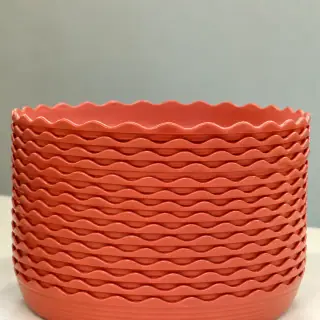
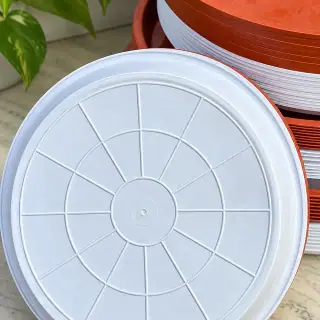
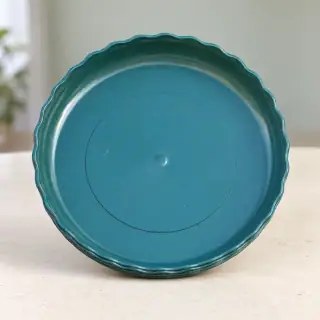
10 archived listings, observed $0.06–$2.70.
-
Shelving

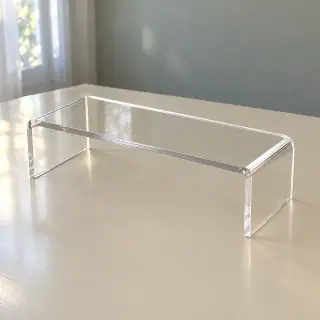

10 archived listings, observed $0.57–$38.36.
-
Kitchen tools
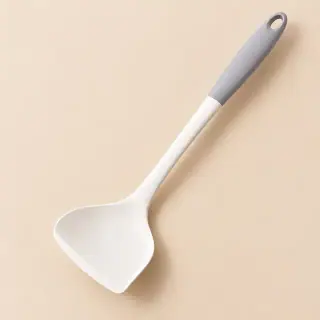


11 archived listings, observed $0.77–$10.02.
-
Baskets and storage bins
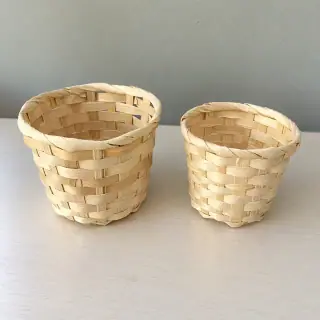
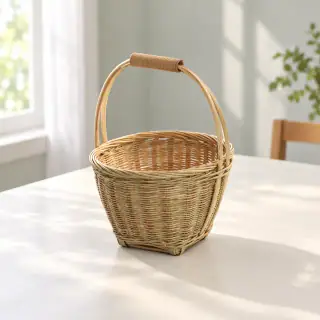
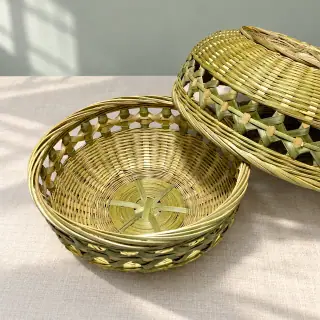
14 archived listings, observed $0.27–$8.64.
Wholesale homeware for Australia: questions
Is GST charged on freight when I import homeware into Australia?
In effect, yes. GST at 10% is charged on the value of the taxable importation, which is the customs value (excluding international freight) plus international freight, insurance and duty. So freight raises the GST base even though it sits outside the customs value. Check the calculation with your broker.
When do I need an import declaration for a small order?
An import declaration is generally required when the customs value is above A$1,000. A mixed lot of homeware can pass that level easily once several sellers' goods are combined, so work out the customs value of the whole shipment with your broker before it sails. Rules change, so confirm the level before ordering.
Do I need an ABN to buy wholesale homeware from China?
An ABN is needed to claim GST credits as a business, which matters because GST on imports is charged at the border. Without one you bear the GST as a cost. Check your registration status with your accountant or the national authority, and keep the import documents for your records.
Which Australian ports do China sea shipments use?
Typical ports are Sydney, Melbourne, Brisbane and Fremantle, with sea time roughly 3 to 5 weeks door to door. Pick the port nearest your stock, and ask your forwarder about delivery from the port to your door, since fixed port and delivery charges weigh heavily on small lots.
Importing to another market?
Planning a first order for Australia? Tell us the items, the quantities and the delivery address and we return an itemised delivered price, with the sample-first option laid out.
Plan a small order