1688 Homeware
Homeware we source from China
Our homeware sourcing enquiries cover décor and ceramics, kitchenware, home textiles, baskets and storage. The category cards lead to detailed buying considerations. Availability and service scope are assessed for each request, using the actual material, finish, intended use, quantity and delivery destination.
Last updated
Content reviewed:
Explore homeware categories

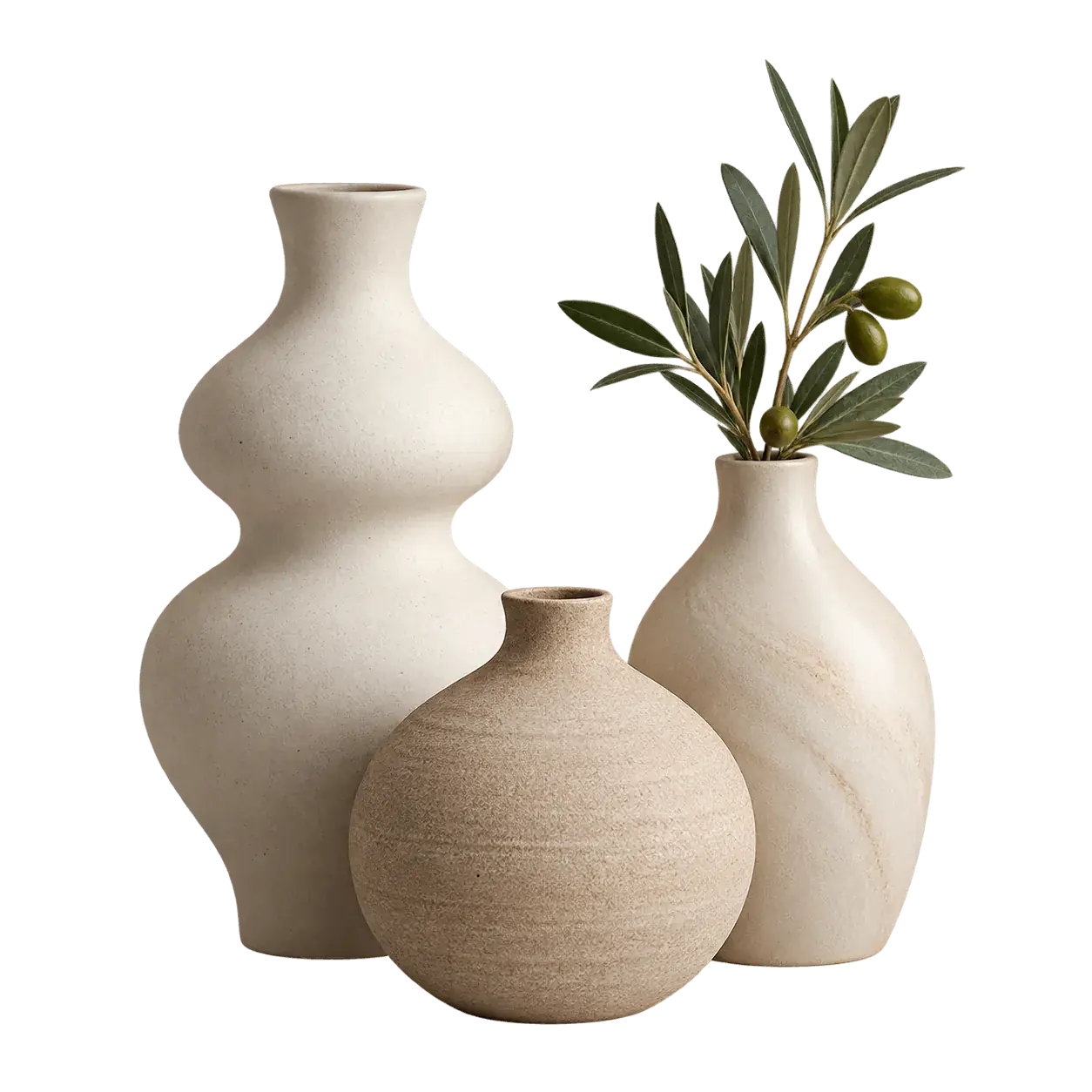
Illustrative category image Home décor and ceramics
Specify dimensions, finish variation, intended use and protective packing. Agree sample comparisons and any required documentation.
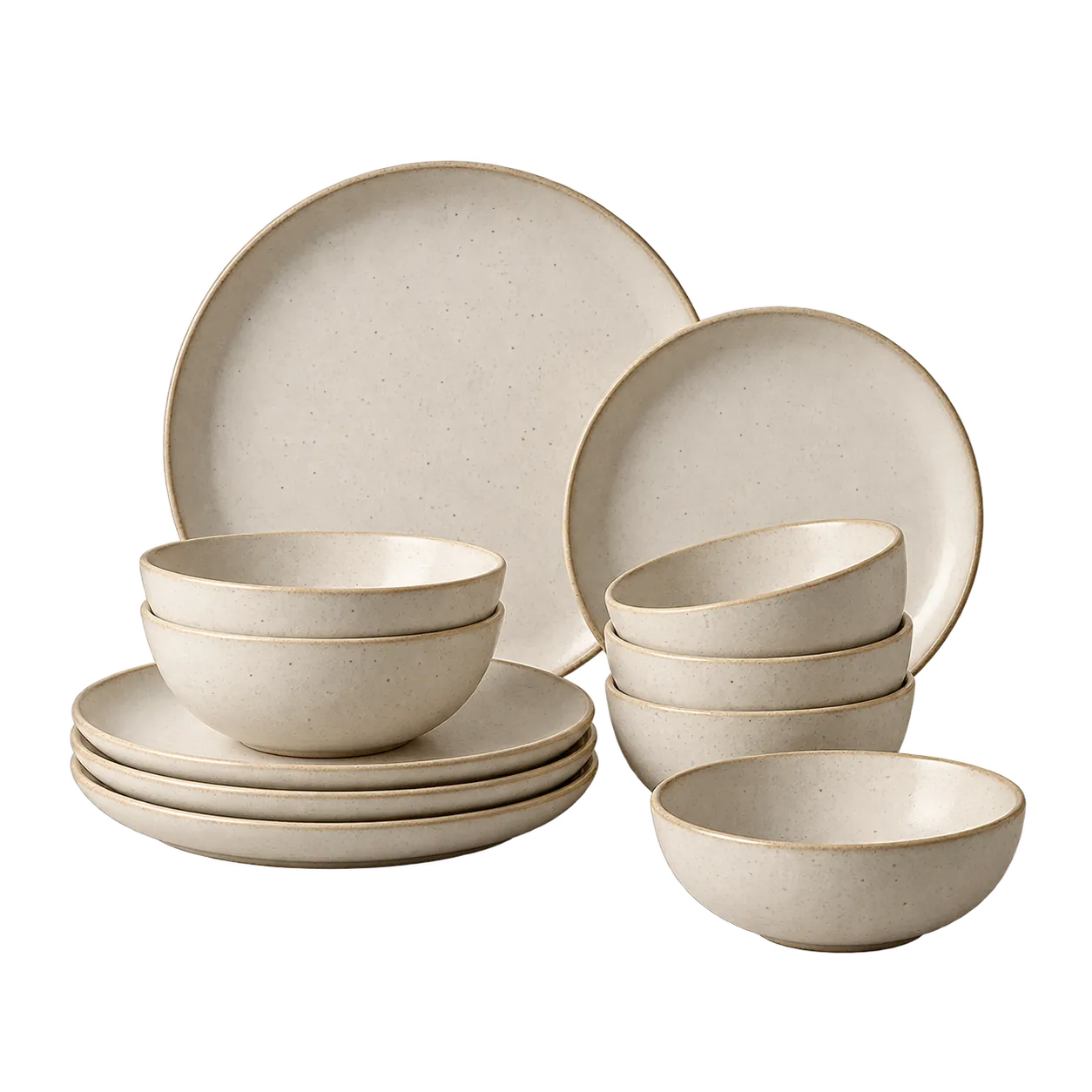
Illustrative category image Kitchenware
Identify materials, coatings, food-contact use and destination requirements. Confirm the exact model, packing and checks included in the quote.
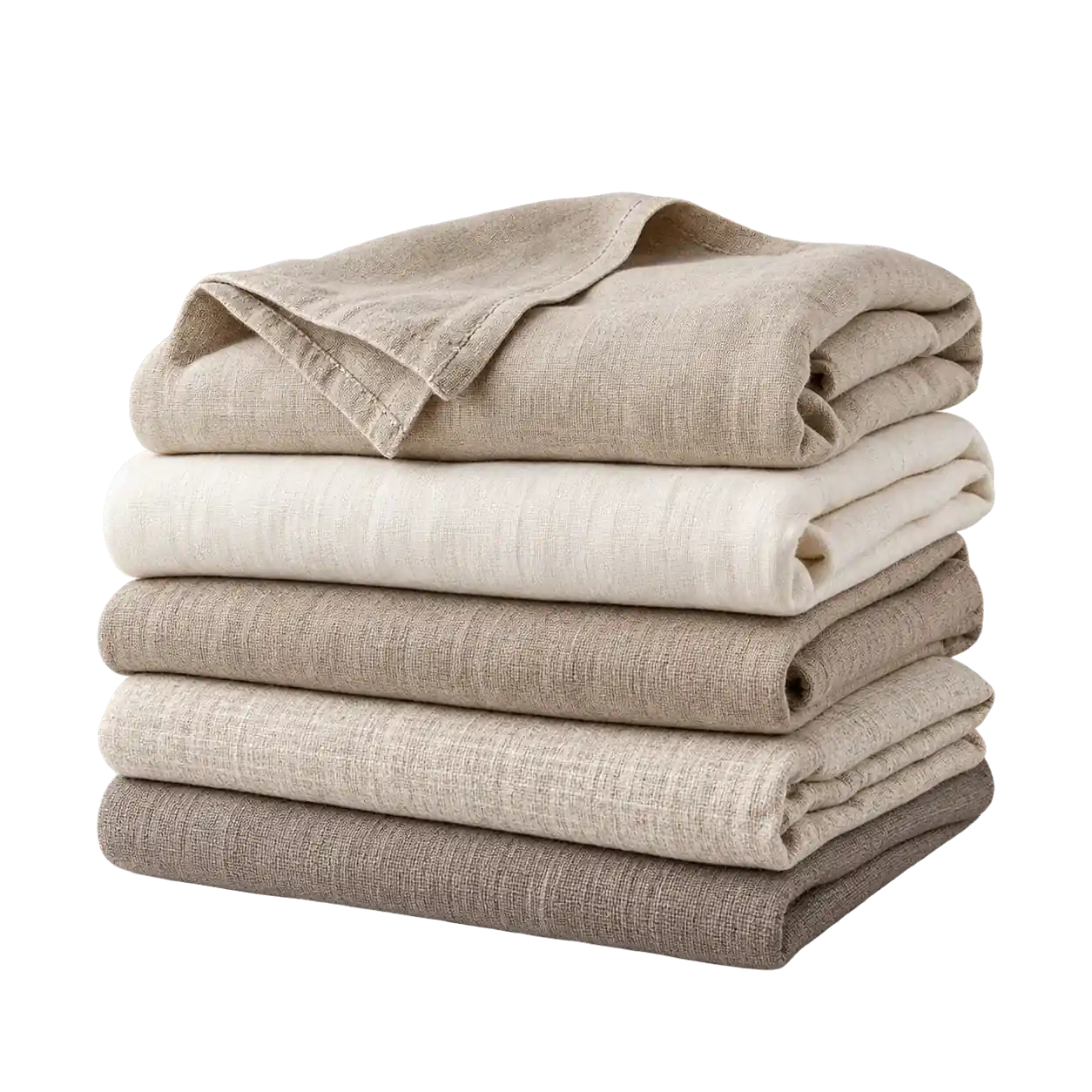
Illustrative category image Home textiles
Specify fibre composition, weight, finished dimensions, colours and labels. Agree tolerances and any wash or colourfastness testing separately.
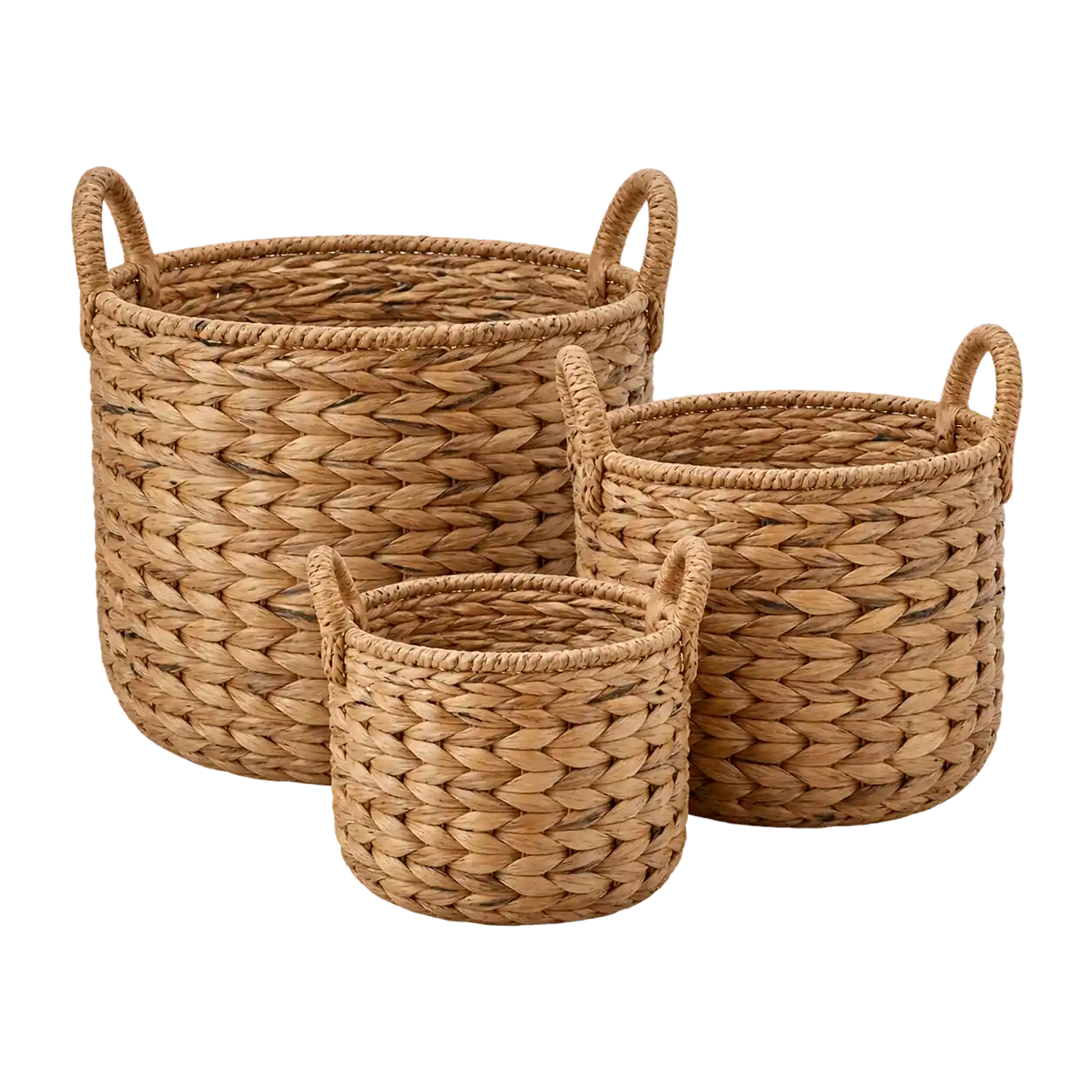
Illustrative category image Baskets and storage
Confirm internal and external dimensions, materials, nesting quantities and packed carton size. Identify moisture and destination restrictions where relevant.
Choose by how the product will be used
Start with the item’s function rather than its photograph. A decorative bowl is not automatically suitable for serving food, and a storage basket intended for dry indoor use may need a different specification from one used elsewhere. Record the claim you intend to make to your own customer.
Use the cards below to select the closest category, then describe anything the category name misses. For a coordinated range, provide a shared finish reference but list each product’s dimensions, quantity and pack. Similar colours across different materials do not establish an exact match.
Décor and ceramics: agree appearance and protection
Useful requests identify body material, finished size, weight where relevant, glaze, colour and surface treatment. Say whether the piece must hold water or is decorative only. Define acceptable handmade variation and visible defects so sample review has a clear purpose.
Ask for units per carton, dividers, contact points and retail presentation. Chips, handle damage and surface rubbing call for different packing decisions. A packing label such as “export standard” does not describe the actual protection or prove performance on your route.
Kitchenware: define food contact before buying
State what food or drink the item will contact and its intended temperature and use conditions. Identify metal grade, coating, glaze, plastic or other material precisely enough to request applicable evidence for the destination. A report for another model or finish cannot simply be assumed to cover the order.
Packaging, instructions and labels should be part of the brief when required by your market or sales channel. Separately agree any specialist document review or testing. Buying assistance and arrival photographs do not establish food-contact suitability.
Textiles, baskets and storage: measure the finished product
Textile briefs should name fibre composition, construction, fabric weight, finished dimensions, colour reference and care or retail labels. If shrinkage, colour transfer or another performance feature matters, define the requirement and review method instead of judging it from photographs.
For woven and natural goods, identify the material, condition, finish and destination requirements. Storage products need usable internal dimensions and load or assembly requirements where relevant. Quote a nested configuration only with its actual separators, clearances and removal method.
- Provide quantities per size, colour and design, including any sample request.
- State whether labels, retail boxes, barcodes or custom artwork are essential.
- Identify the required packed arrangement and any destination assembly work.
- Disclose electrical parts, liquids or other contents needing separate route review.
Compare a range by usable delivered cost
Confirm whether minimums apply to each variant or custom package. Ask for separate goods, setup, service, agreed checks, packing, transport and destination-charge lines. A low-price bulky item may require more protective volume than a heavier compact one.
Scope and fees are agreed per request. Products outside the listed categories, including lighting and other specialist homeware, need an individual feasibility review. Do not commit a range until material evidence, rights, packing and unresolved destination requirements have a clear owner.
Questions before you request a quote
- Can you source a matching collection?
- Submit a reference and separate specifications for every piece. Agree how colour and finish will be compared; different materials and production batches can vary.
- Are all ceramic items suitable for food?
- No. Decorative appearance does not establish food-contact suitability. Specify intended use and obtain relevant evidence for the exact product and destination.
- Can baskets be nested to reduce freight?
- Potentially, but confirm the packed dimensions and protection. Rubbing, deformation, difficult separation and receiving labour can affect the result.
- Do you accept products outside these categories?
- Describe the product and any unusual materials or components. Availability, review scope and carrier acceptance must be assessed before an order is accepted.
Send a homeware product brief
Share links or reference images, quantities, dimensions, materials, intended use and destination. Include any retail packaging or finish requirements from the start.
Turn this guide into a buying request →
Keep this page as context. Add what you know; review everything before sending. No purchase is made at this step.
Continue to request →